
Northeast Ohio Paraplegia & Paralysis Lawsuits
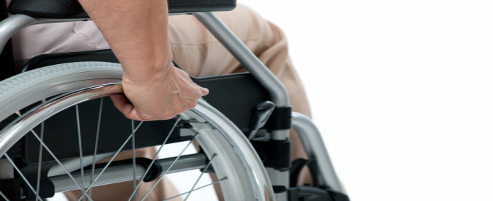
Paralysis affecting the lower body is often described as paraplegia. In many cases, paraplegia results from a spinal cord injury and can permanently change a person’s mobility, independence, employment, and overall quality of life. When paraplegia is caused by negligence—such as a crash, unsafe property condition, medical error, or a defective product—Ohio law may allow compensation for the full scope of harm.
We Focus on Catastrophic Injury Claims
A paraplegia case is not just about immediate medical bills. Long-term needs can include rehabilitation, specialized equipment, home and vehicle modifications, attendant care, treatment for complications, and significant loss of income. We work to identify responsible parties, preserve evidence, and pursue every available source of coverage (including auto, homeowners, commercial, and umbrella policies where applicable).
Common Causes of Paraplegia We Handle
- Motor Vehicle Accidents (car, truck, motorcycle, pedestrian, and rideshare crashes)
- Medical Malpractice (surgical errors, delayed diagnosis, improper treatment)
- Falls & Premises Liability (unsafe stairs, unmarked hazards, negligent maintenance)
- Construction / Workplace Accidents
- Defective Products (unsafe equipment, vehicle components, consumer products)
- Intentional Acts / Use of Force Incidents (when applicable)
- Sports and recreational injuries (depending on circumstances and liability)
- Other negligent acts causing spinal cord damage and paralysis
Damages and Compensation
Paraplegia can impact every part of life. Depending on the facts, compensation may include:
- Past and future medical expenses, hospitalization, surgery, rehabilitation, and therapy
- Assistive devices (wheelchairs, mobility aids), durable medical equipment, and supplies
- Home and vehicle modifications and accessibility accommodations
- In-home care, attendant care, and supported living costs
- Lost wages and diminished earning capacity
- Pain and suffering, emotional distress, and loss of enjoyment of life
- Loss of consortium and other family-related damages where permitted
What To Do After a Catastrophic Spine Injury
- Get medical treatment and follow-up care immediately.
- Preserve evidence (vehicle photos, incident reports, product components, surveillance footage requests).
- Document the impact (records of treatment, rehab, equipment needs, and daily limitations).
- Avoid recorded statements to insurers before speaking with counsel.
No Fee Unless We Recover
We typically handle catastrophic injury matters on a contingency basis—meaning no attorney fee unless we recover. If you are facing a life-changing injury, we can explain your options, identify potential sources of recovery, and help you move forward with a clear plan.
Speak With a Cleveland Paraplegia Injury Lawyer
Call (440) 248-8811 or contact us online for a free, confidential consultation.
This page is for general information only and does not create an attorney-client relationship. Results depend on the facts of each case.
Frequently Asked Questions
Is paraplegia always permanent?
Many spinal cord injuries cause permanent impairment, but outcomes vary by injury level, completeness, treatment, and rehabilitation. Regardless of permanence, a serious spinal injury often creates long-term needs that must be evaluated in any claim.
Who can be responsible for a paraplegia injury?
Depending on how the injury occurred, responsible parties may include negligent drivers, property owners, employers/contractors, healthcare providers, or product manufacturers. Identifying the correct defendants and available insurance often requires early investigation.
How do these cases get valued?
A paraplegia case should account for future medical care, equipment, accommodations, lost earnings, and the personal impact of the injury. We often work with medical experts, rehabilitation specialists, and life care planners to evaluate long-term needs.