Northeast Ohio Ischemic and Hemorrhagic Stroke Misdiagnosis Lawsuits
Why Time Matters
Stroke is a leading cause of long-term disability. Early recognition and rapid treatment can reduce the amount of brain injury and improve the chance of recovery. When the warning signs are missed or treatment is delayed, patients may suffer permanent neurologic deficits—or death.
Request a free & confidential consultation
Call (440) 248-8811
Medical emergency: If you suspect a stroke, call 911 immediately. This page provides general information and is not medical or legal advice.
Types of Strokes
- Ischemic stroke: caused by a blood clot that restricts blood flow to the brain.
- Transient ischemic attack (TIA): sometimes called a “mini-stroke.” Symptoms may resolve quickly, but a TIA can be a warning sign of a future, more serious stroke.
- Hemorrhagic stroke: caused when a blood vessel ruptures in the brain.
Common Warning Signs
Stroke symptoms can start suddenly and may worsen quickly. Symptoms are not always identical from person to person, which is why prompt evaluation is critical.
- Weakness, paralysis, or numbness in the face, arm, or leg—often on one side of the body
- Slurred speech or difficulty speaking
- Difficulty understanding speech
- Sudden severe headache
- Vision changes (blurred or double vision)
- Dizziness, loss of balance, or trouble walking
- Confusion or altered mental status
- Fainting or loss of consciousness
Risk Factors Providers Should Evaluate
Providers have a duty to evaluate signs and risk factors and to order appropriate testing when stroke is suspected. Risk factors can include:
- Prior stroke or TIA
- High blood pressure
- High cholesterol
- Diabetes
- Atrial fibrillation
- Carotid artery disease
- Heart disease or prior heart attack
- Medications that increase stroke risk
- Family history of stroke
- Advanced age
How Delays in Diagnosis Happen
There are many ways stroke can be missed—especially when symptoms are subtle, fluctuate, or are attributed to another cause. Common examples include:
- Failure to take or document a complete history
- Failure to evaluate a patient’s risk factors
- Failure to order appropriate imaging or other tests
- Failure to interpret diagnostic testing correctly
- Failure to consult neurology or escalate care when indicated
- Communication breakdowns between providers or departments
- Delays in transferring the patient to a facility capable of providing appropriate stroke care
Harm Caused by Delayed Diagnosis
Stroke can require urgent medication and/or surgical intervention. When diagnosis and treatment are delayed, the outcome can be devastating. Potential harms include:
- Death
- Paralysis or weakness
- Chronic pain
- Speech and language impairment
- Memory loss and cognitive impairment
- Behavioral and personality changes
- Loss of independence and need for long-term care
What We Review in a Suspected Stroke Misdiagnosis Claim
Stroke cases are record- and timeline-driven. When evaluating a claim, we commonly obtain and review:
- EMS/ambulance records (when applicable)
- ER triage notes, nursing notes, vitals, and provider documentation
- Neurologic exams and NIH stroke scale documentation (if performed)
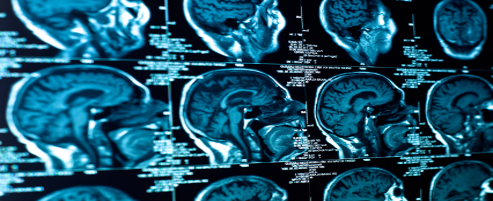
- CT/MRI imaging and radiology interpretations
- Lab work and medication administration records
- Consult notes (neurology, radiology, hospitalist, etc.)
- Transfer records and timing of treatment decisions
- Discharge instructions, follow-up plans, and return precautions
Frequently Asked Questions
Is every bad stroke outcome malpractice?
Not necessarily. A malpractice claim generally requires proof that the standard of care was not met and that the delay or mistake caused additional harm—such as worse neurologic injury, prolonged recovery, or death.
Can a TIA matter legally if symptoms went away?
It can. A TIA may be a warning sign and may require prompt evaluation and follow-up. Whether it supports a claim depends on the facts, timing, and resulting harm.
What should I do if I suspect a missed stroke?
Continue medical care and preserve any discharge paperwork or imaging reports you have. A lawyer can help obtain the complete medical record to evaluate whether a preventable delay occurred.
If you or a loved one suffered a stroke resulting in disability or death and you suspect that a delay in diagnosis occurred, please contact us for a free, confidential evaluation.