Tractor-Trailer and Commercial Truck Crash Lawsuits in Northeast Ohio
Overview | What We Handle | Common Causes | Key Evidence | Compensation | What to Do After a Crash | FAQ | Contact
Cleveland Truck Accident Attorneys for Catastrophic Injuries
Commercial truck crashes often involve severe injuries because of the weight and force involved. These cases also tend to be more complex than typical car accidents, with multiple potentially responsible parties and larger insurance policies. If you were hurt in a tractor-trailer or commercial vehicle collision, you need a Cleveland truck accident lawyer who can investigate quickly and pursue full compensation.
Confidential consultation: Call (440) 248-8811 or contact us online.
Truck Accident Cases We Handle
We represent injured clients and families in cases involving:
- Tractor-trailer and semi-truck crashes
- Delivery truck collisions (local and regional delivery vehicles)
- Construction and work trucks
- Underride and override accidents
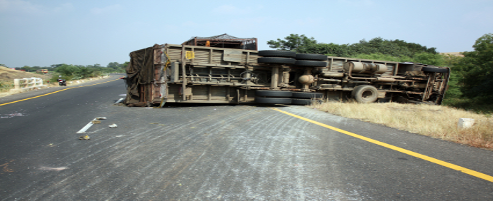
- Jackknife and rollover crashes
- Catastrophic injury and wrongful death claims
Related pages: Motor Vehicle Accidents, Automobile Accidents, and Motor Vehicle Wrongful Death.
Common Causes of Tractor-Trailer Accidents
- Driver fatigue and hours-on-the-road issues
- Rushing to meet delivery deadlines
- Distracted or inattentive driving
- Unsafe lane changes and blind-spot collisions
- Following too closely / failure to maintain assured clear distance
- Improper loading, shifting cargo, or overloaded trucks
- Mechanical failure or inadequate maintenance
- Drug or alcohol impairment
Key Evidence in Truck Accident Claims
In serious truck crash cases, important evidence can disappear quickly. Preserving and requesting records early can be critical, such as:
- Driver logs and dispatch records
- Vehicle inspection and maintenance records
- Electronic data (where applicable) and crash-related documentation
- Load documents and shipping paperwork
- Witness statements, photographs, and video footage
Compensation After a Truck Accident
Depending on the facts and coverage available, compensation may include:
- Medical bills (including future treatment and rehabilitation)
- Lost wages and loss of earning capacity
- Pain and suffering and loss of enjoyment of life
- Permanent impairment and disability-related losses
- Wrongful death damages for qualifying family members
What to Do After a Commercial Truck Crash
- Seek medical care and follow up on all recommended treatment.
- Report the crash and obtain the incident/report number.
- Document the scene and injuries if safe (photos and notes).
- Identify witnesses and keep any contact information you can.
- Avoid recorded statements until you understand your rights.
- Preserve evidence such as medical records, receipts, and a symptom journal.
Frequently Asked Questions
What makes truck accident claims different from car accidents?
Truck crashes often involve multiple responsible parties, commercial insurance policies, company records, and federal safety rules. Early evidence preservation is important.
Who can be responsible for a tractor-trailer crash?
Liability may involve the truck driver, the trucking company, a broker or shipper, a maintenance provider, or a manufacturer, depending on the facts.
What compensation is available after a truck accident in Ohio?
Depending on the claim, compensation may include medical expenses, lost wages, future care needs, pain and suffering, and wrongful death damages in fatal cases.
How long do I have to file a truck accident lawsuit in Ohio?
Many Ohio personal injury claims must be filed within two years of the crash date. Other deadlines may apply, so it is important to consult counsel promptly.
Do you charge a fee unless you recover compensation?
Many injury matters are handled on a contingency fee basis, meaning attorney fees are paid from a recovery if the case resolves successfully. Fees and costs are explained in a written agreement.
Talk with a Cleveland truck accident attorney: Call (440) 248-8811 or contact us online.
Note: This page is for general information only and does not create an attorney-client relationship. Past results do not guarantee future outcomes.